
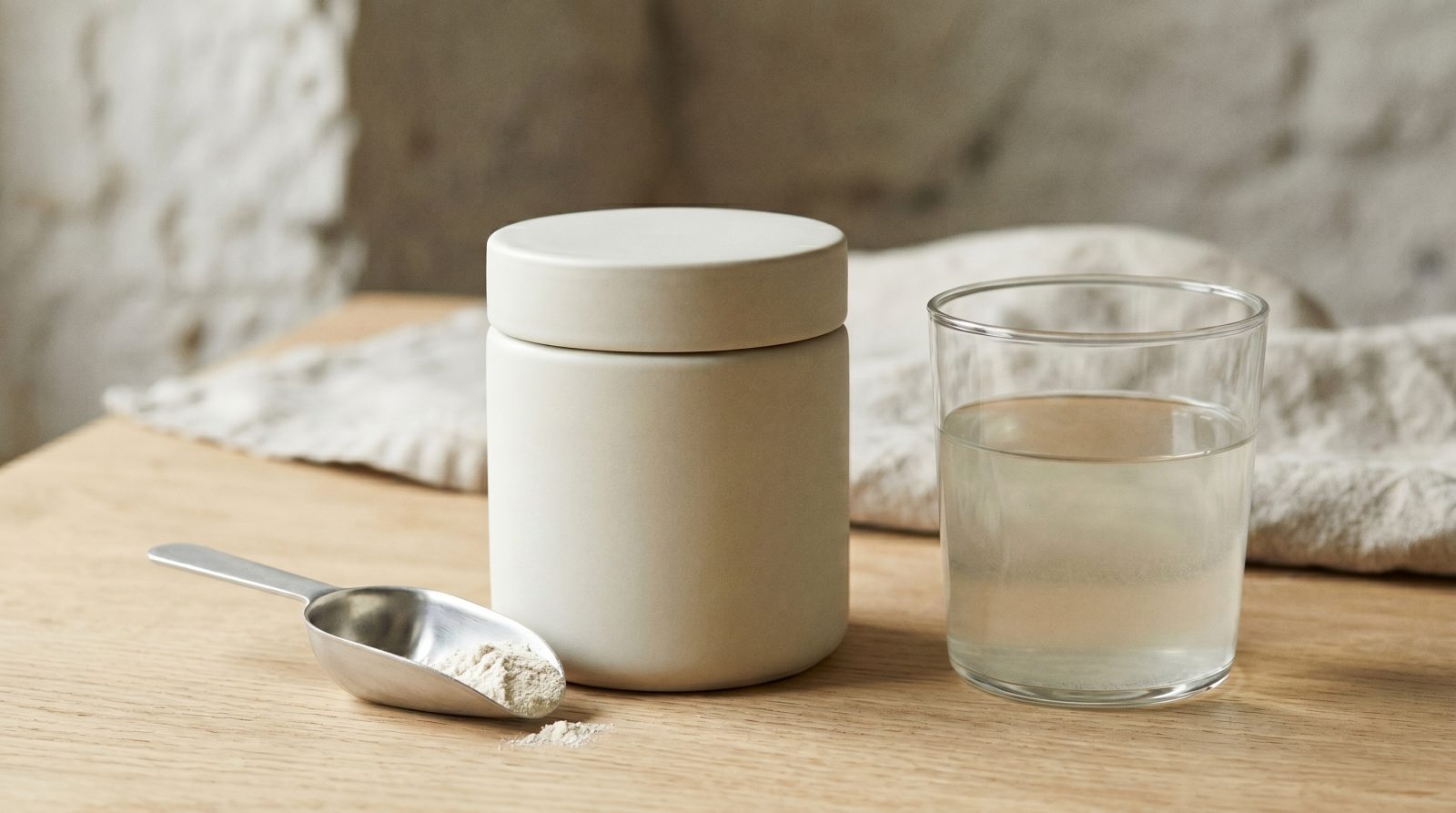
Water-soluble CBD products are more sensitive to storage conditions than oil-based CBD. The nanoemulsion or liposomal structures can degrade over time, particularly with exposure to heat, light, or significant temperature swings. Proper storage preserves both potency and stability.
Storage guidelines by product type
Water-soluble CBD beverages (ready-to-drink)
- Storage: Refrigerated (2-4°C / 35-40°F)
- Shelf life unopened: 6-12 months (check best-before date)
- Once opened: Consume within 24-48 hours; oxidation accelerates after opening
- Temperature sensitivity: Avoid freezing (can damage the emulsion); avoid extended heat exposure
Water-soluble CBD powders (sachets, sticks)
- Storage: Cool, dry location (room temperature acceptable)
- Shelf life: 12-18 months in sealed packaging
- Once opened: Use within the recommended period (check package); typically 6-12 months
- Avoid: Moisture (degrades the powder)
Water-soluble CBD concentrates (tinctures, drops)
- Storage: Cool location, refrigeration preferred
- Shelf life: 6-12 months refrigerated; less at room temperature
- Container: Dark glass to protect from light
- After opening: Use within recommended period
Water-soluble CBD sprays (sublingual, oral)
- Storage: Cool, dry location
- Shelf life: 6-12 months
- Container: Light-protecting; refrigerate if specified by manufacturer
What degrades water-soluble CBD
Heat
Elevated temperatures accelerate degradation of both the CBD itself and the emulsion structure. Avoid:
- Storage above 25°C (77°F) for extended periods
- Direct sunlight exposure
- Heat sources (radiators, ovens, kitchen counters near stoves)
- Temperatures above 40°C (104°F), which actively degrade CBD
Light
UV light degrades CBD over time. Light-protected packaging (dark glass, opaque bottles) is standard for premium products. Storage in cabinets or drawers extends shelf life further.
Oxygen
Air exposure accelerates oxidation, particularly after opening. Many products are nitrogen-flushed at packaging to displace oxygen. Once opened, exposure to air is unavoidable; promptly close containers and use within the recommended period.
Temperature fluctuations
Repeated temperature changes (room temperature to refrigerated and back) can stress emulsion structures. Choose one storage location and stick with it.
Signs of degraded water-soluble CBD
- Separation in beverages or liquid products. Particles or layers becoming visible.
- Cloudiness or sediment in previously clear products. The emulsion has broken down.
- Off-odours. Sharp or unpleasant smells (vs the expected mild scent).
- Off-flavours. Bitter or rancid notes.
- Reduced effects. Same dose producing weaker results suggests CBD content has degraded.
- Clumping in powders. Indicates moisture exposure.
Best practices for at-home use
- Keep products in original packaging until ready to use
- Refrigerate liquid products (especially after opening)
- Store in a cabinet or drawer, not on the counter
- Note the date of opening for reference
- Use within the recommended timeframe
- If a product looks, smells, or tastes off, discard it
Storage at retail vs home
Quality water-soluble CBD products are often refrigerated at the retail point of sale (particularly beverages). Once you bring them home, maintain the same conditions. If the product was sold refrigerated, keep it refrigerated. If sold at room temperature, room temperature in a cool, dark spot is appropriate.
Long-term storage considerations
Water-soluble CBD products are not intended for long-term stockpiling. Unlike many shelf-stable products, the nanoemulsion or liposomal structure degrades over months and years. For consumers who use CBD daily, maintaining a 3-6 month supply at home is reasonable. Larger stockpiles risk degradation before use.