
How Nanoemulsions and Liposomes Actually Work
Two delivery technologies dominate this category. Nanoemulsions combine emulsifiers with high-energy processing, such as ultrasonication or high-pressure homogenization, to break CBD oil into droplets small enough to stay suspended in water. Liposomes instead enclose the compound within phospholipid spheres. Here you will find explanations of droplet size, emulsifier choice, why some finished drinks look clear while others turn cloudy, and how stability and shelf life are assessed. Useful for anyone reading ingredient panels closely or comparing manufacturing approaches.
4 articles
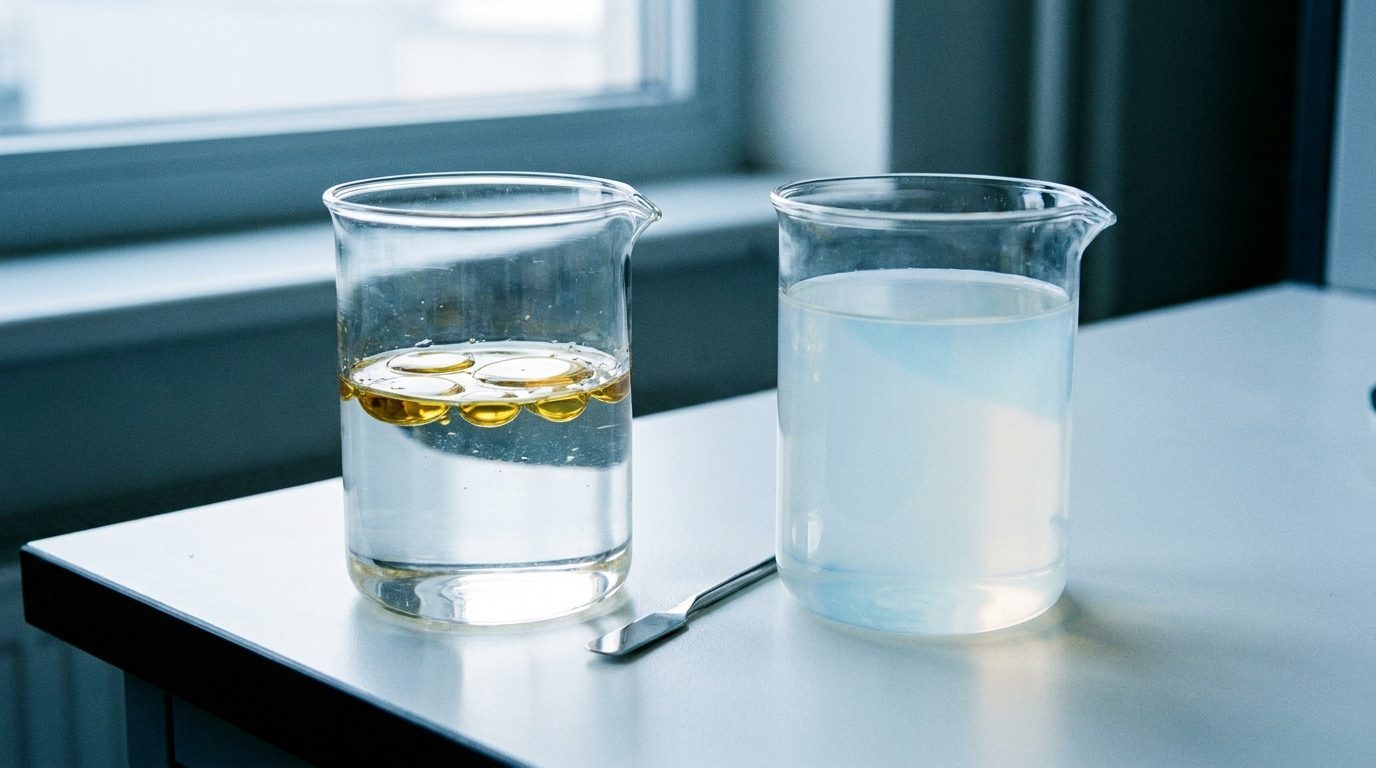
What Are the Emulsifiers in Water-Soluble CBD?
Every water-soluble CBD product contains an ingredient whose only job is to force oil and water together. Here are the emulsifier families used, what HLB means, and why the amount matters as much as the type.
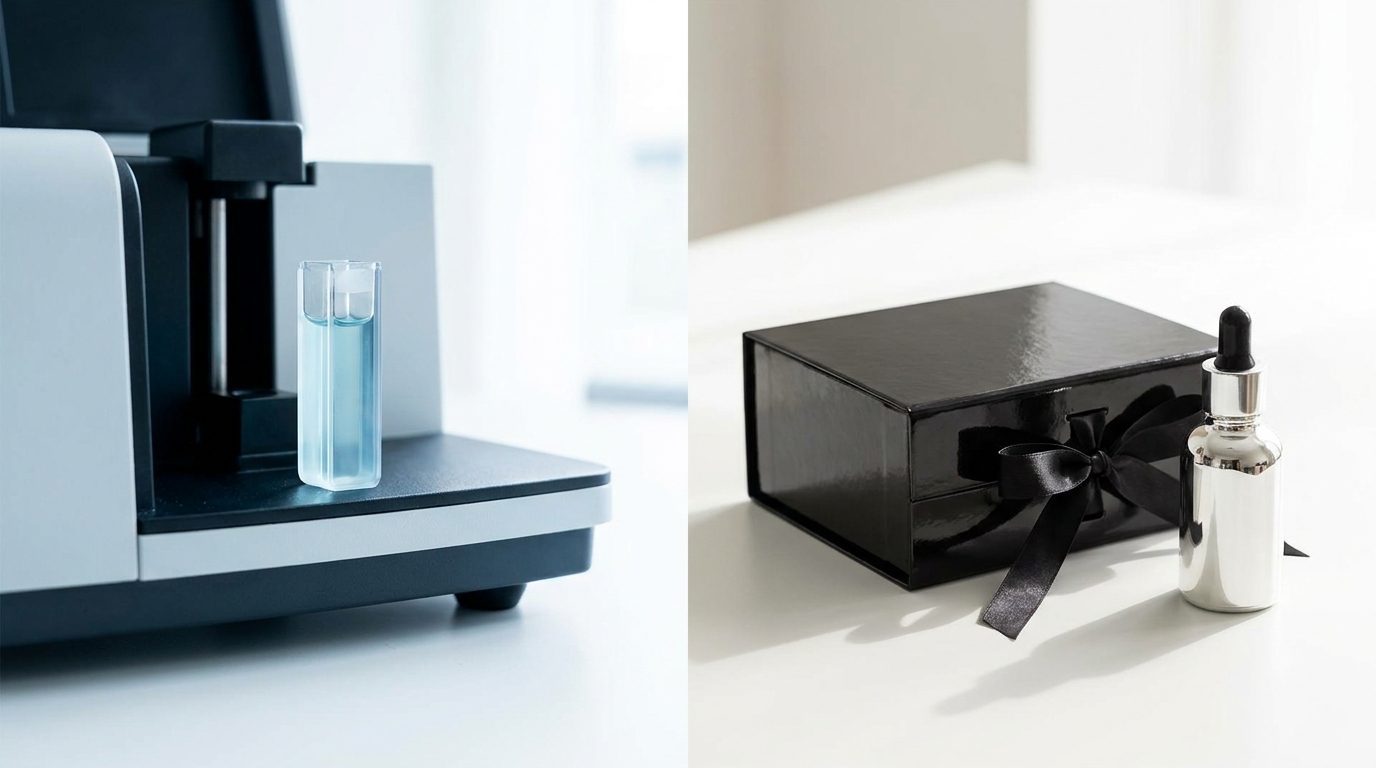
Nano CBD: Real Technology, Real Marketing Trope
Nanoemulsions are measurable chemistry with real absorption consequences. How to tell a stated droplet size from a sticker, and the glass-of-water test that settles most cases.
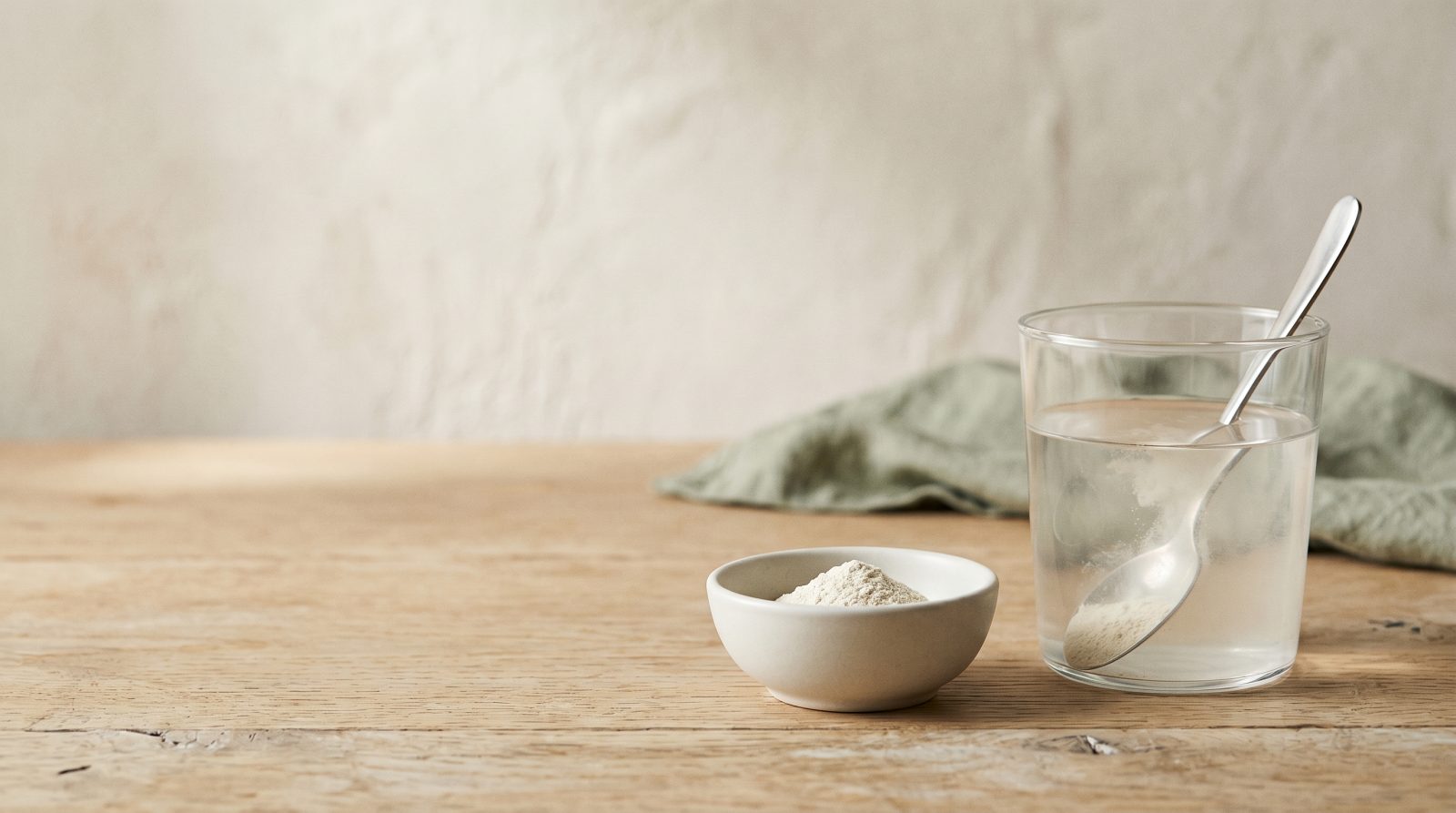
How Water-Soluble CBD Is Made
Three technologies behind water-soluble CBD: nanoemulsion, liposomal encapsulation, and cyclodextrin complexation. How each works, their properties, and which suits which applications.
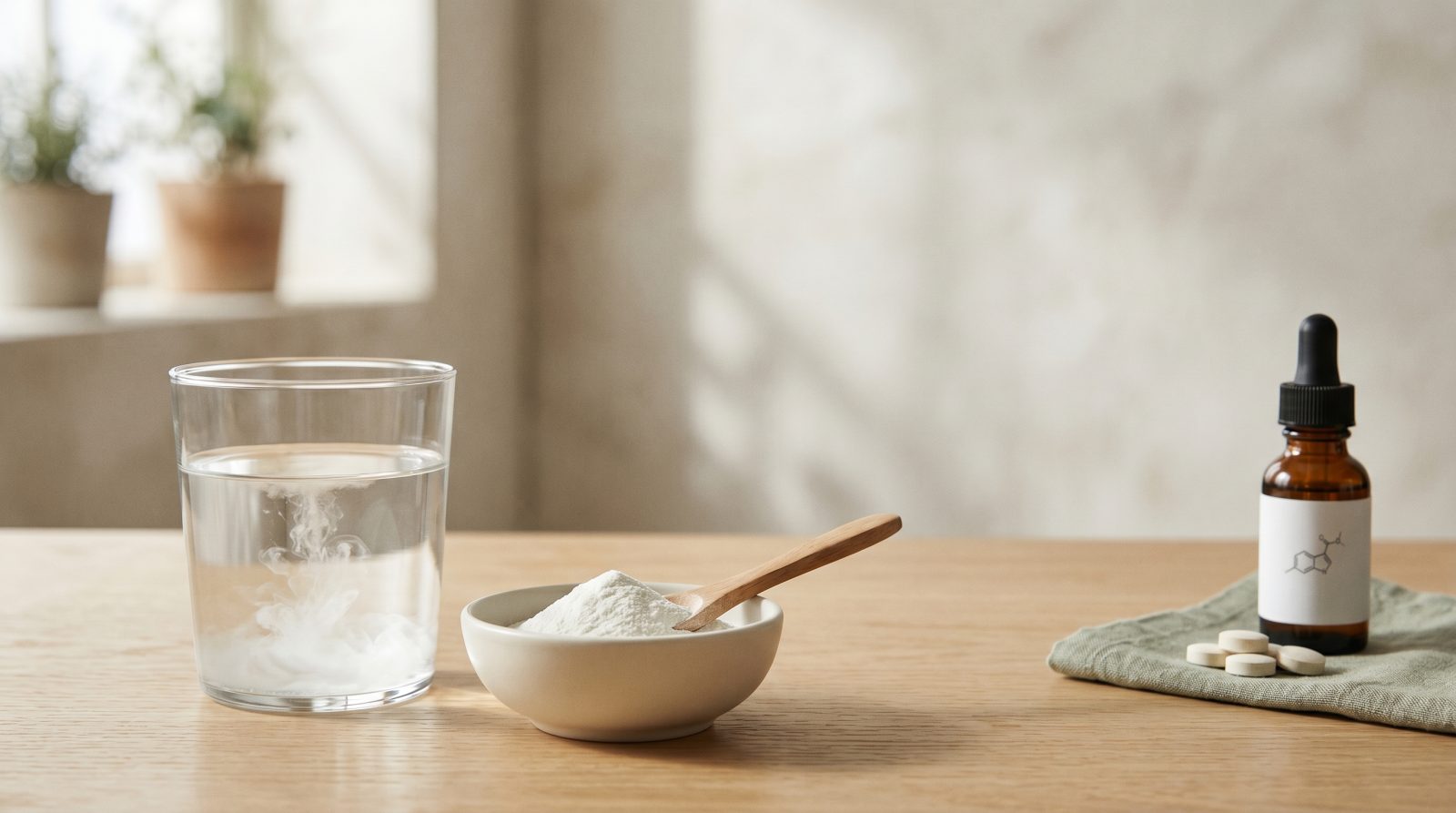
Cyclodextrin-Based CBD: Powders, Tablets, and Pharmaceuticals
Cyclodextrins are ring-shaped sugar molecules that encapsulate CBD for water-soluble delivery. Used in powders, tablets, and pharmaceutical applications. Compared with nanoemulsion and liposomal CBD.